Artificial Living Wall vs. Hedge Wall: Which Rental Fits Better?
Comparing artificial living wall rentals and hedge wall rentals for events. Learn the differences in texture, styling range, setup needs, and best-fit use cases so you can choose the right greenery format.
What Is the Difference Between an Artificial Living Wall and a Hedge Wall?
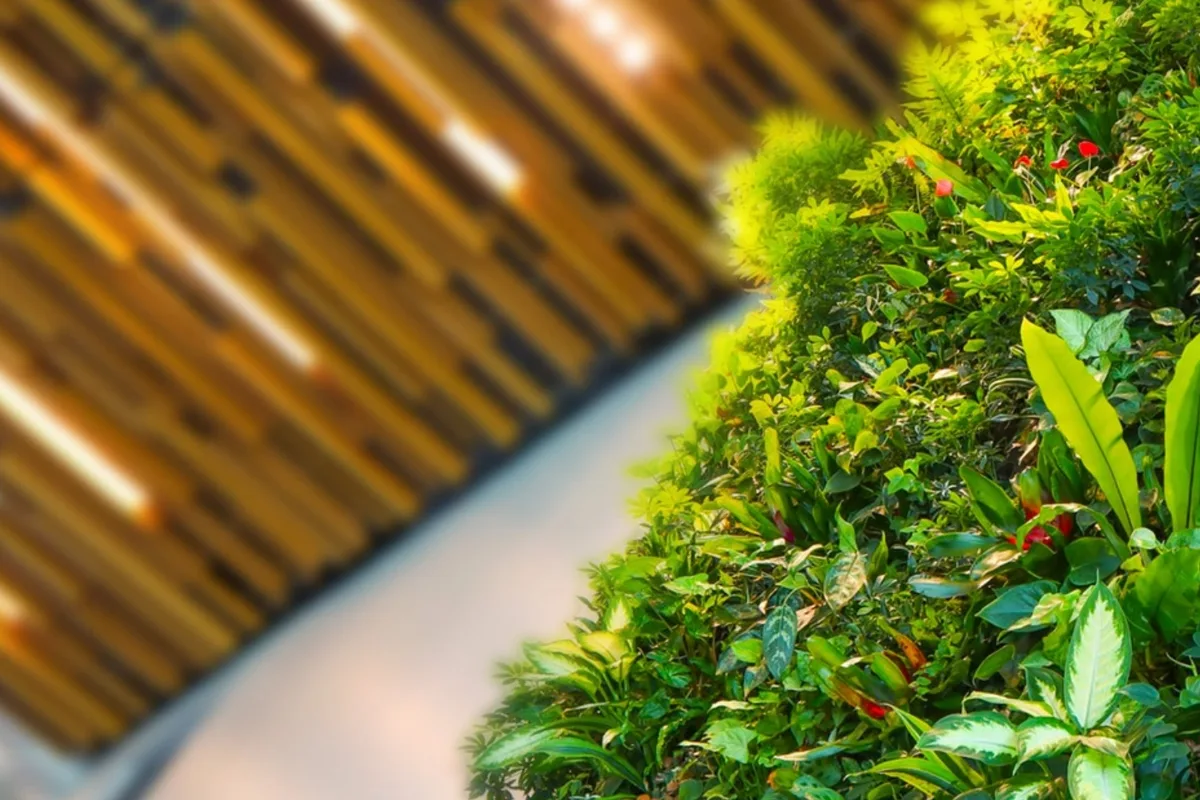
On this site, a living wall means an artificial living wall rental built from mixed synthetic foliage such as ferns, moss, and tropical leaves. That is different from a classic hedge wall, which uses denser boxwood-style panels to create a more uniform green surface.
If you are looking for a live-plant wall with irrigation and horticultural maintenance, that is a different product category and not what Evergreen rents. This guide compares the two greenery rental formats we actually quote: artificial living walls and hedge walls.
Comparing options? See the side-by-side: hedge wall vs. living wall.
What Is an Artificial Living Wall?
An artificial living wall is a custom greenery wall made from mixed foliage rather than a single hedge texture. The look is usually more layered, more botanical, and more dimensional than a hedge wall, which makes it a strong fit for branded moments, hotel backdrops, and statement installs where you want variety in the leaf texture.
Best for:
- Mixed-foliage statement backdrops
- Hospitality and retail installs
- Branded event moments that need a more layered look
- Projects where boxwood reads too uniform
What Is a Hedge Wall?
An artificial hedge wall uses premium synthetic foliage mounted on modular interlocking frames, usually in a boxwood-style texture. The look is cleaner, more uniform, and better suited to space division, step-and-repeat moments, corridors, and fast modular builds.
Best for:
- Single-day events (weddings, galas, launches)
- Temporary outdoor use when scoped for the venue and conditions
- Quick setup and teardown requirements
- Layouts that need scale, structure, or privacy
How Do Artificial Living Walls and Hedge Walls Compare Side by Side?
Texture and Visual Style
Artificial living walls usually read as more layered and more decorative because the foliage mix is broader. They work well when the wall itself is meant to feel like the focal point.
Hedge walls read cleaner and more architectural. They are often the better choice when you need repeatable modular runs, sightline control, or a crisp backdrop for signage and branding.
Layout Flexibility
Artificial living walls are usually quoted as more custom scenic pieces. They can absolutely be built at scale, but they are often planned around a focal elevation or a specific branded backdrop.
Hedge walls are better when the job needs modular runs, maze-like plans, perimeter definition, corridor builds, or quick changes in footprint. If the layout matters as much as the look, hedge usually wins.
Setup and Venue Fit
Artificial living walls and hedge walls are both low-maintenance during the event because both are synthetic rentals. The real setup difference is structural: hedge walls are modular by default, while artificial living walls are more often treated as custom scenic backdrops with a specific size and finish target.
If the venue has a short load-in, a long carry path, or a tight teardown window, hedge walls are often easier to scale cleanly. If the venue gives you a defined focal wall and more controlled setup conditions, an artificial living wall can be the stronger visual choice.
Branding and Decor Pairing
Artificial living walls pair especially well with dimensional logos, layered florals, hospitality styling, and mixed-material scenic builds.
Hedge walls pair especially well with step-and-repeat signage, crowd guidance, sponsor backdrops, privacy screening, and large-format event plans that need one consistent texture repeated across the footprint.
Cost Shape
Pricing for either format depends on scale, customization, freight, and venue conditions. In practice, hedge walls often scale more efficiently when you need long runs or modular divisions, while artificial living walls tend to make more sense when the install is one custom focal statement.
When Should You Choose an Artificial Living Wall?
Choose an artificial living wall when:
- You want a more layered, botanical look than boxwood gives you
- The wall is acting as a hero backdrop rather than a modular divider
- You need something custom-sized for a stage, hotel wall, or branded scenic moment
- The foliage mix is part of the creative direction
When Should You Choose an Artificial Hedge Wall?
Choose a hedge wall when:
- You need a one-day or weekend installation with fast setup
- You need temporary outdoor use scoped around the venue and conditions
- You want predictable pricing with no maintenance variables
- The wall will be photographed primarily for social media and marketing
- The layout needs long runs, privacy zones, or modular reconfiguration
Can You Combine an Artificial Living Wall and a Hedge Wall?
Yes. A lot of stronger event builds do exactly that: hedge walls for the structural footprint, then an artificial living wall for the focal backdrop, bar surround, stage moment, or branded photo position. That combination keeps the install modular where it needs to be and more custom where the camera will focus.
Not sure which direction to go? Compare our Artificial Living Walls and Hedge Walls, or contact us with the venue, footprint, and event goals and we will point you toward the better fit.
Related Articles
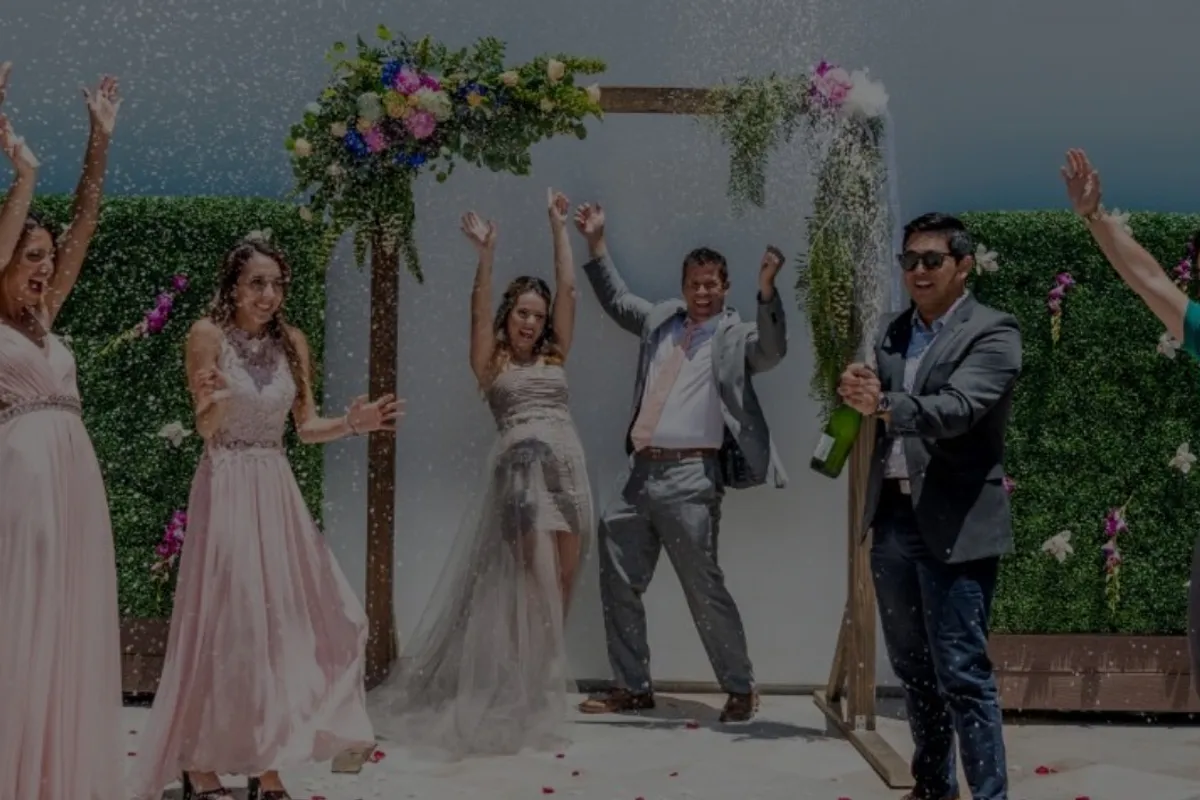
The Ultimate Guide to Hedge Wall Rentals for Events
Everything you need to know about renting artificial hedge walls for weddings, corporate events, and private parties. From sizing and pricing to design tips, indoor vs. outdoor considerations, and setup logistics.
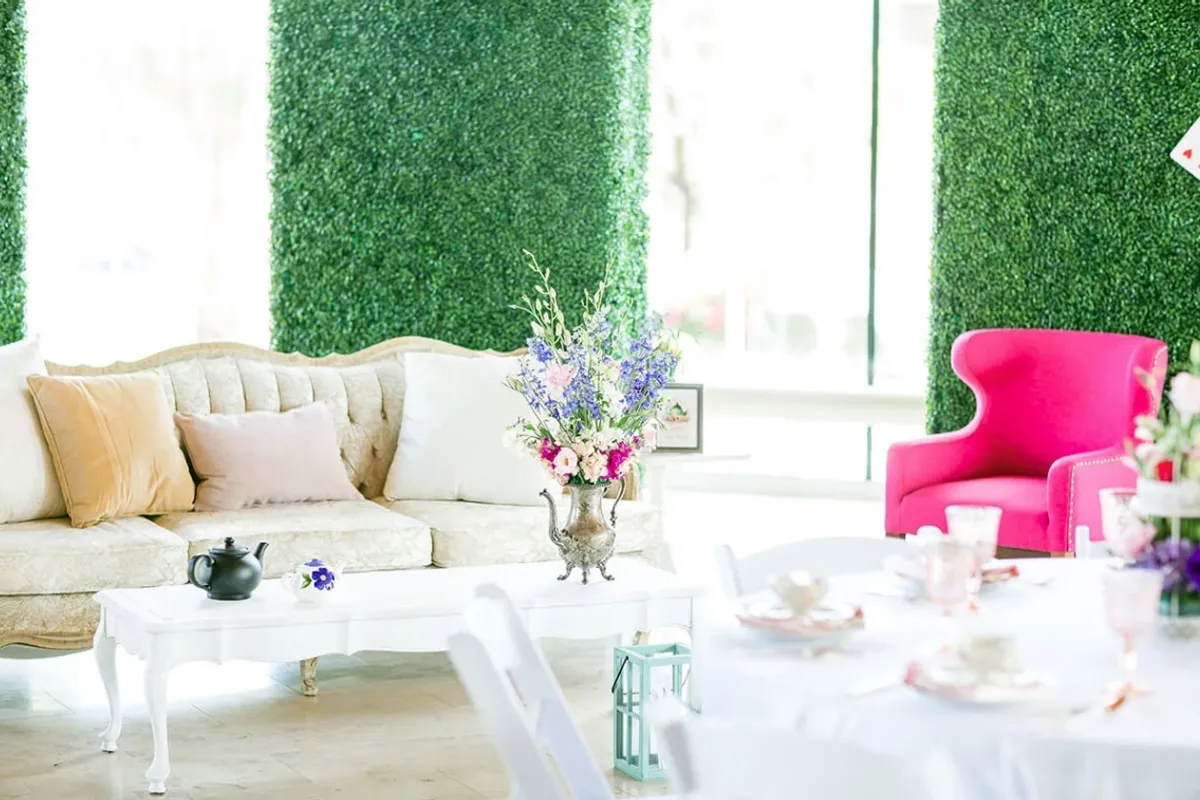
How to Choose the Right Size Hedge Wall for Your Event
A practical sizing guide for hedge wall rentals. Learn how to measure your space, calculate the right wall dimensions, and avoid the most common sizing mistakes event planners make.
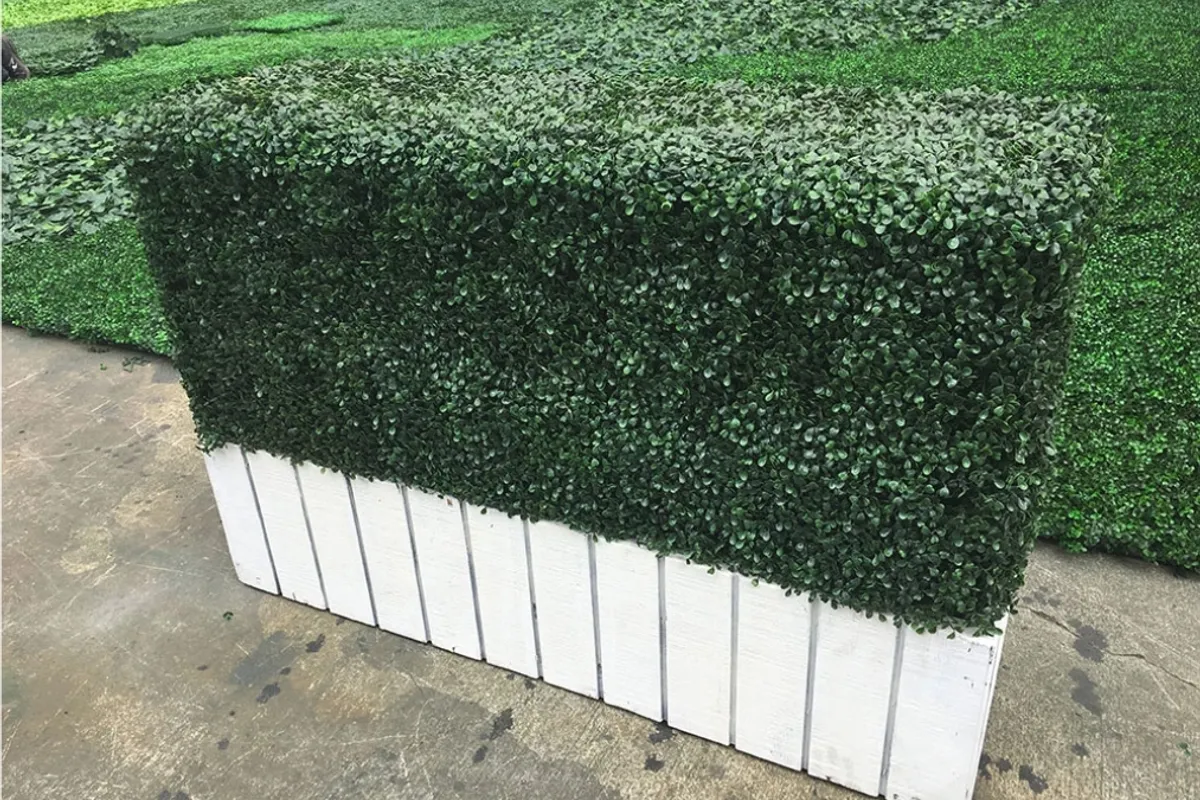
5 Mistakes to Avoid When Renting Hedge Walls
Common mistakes event planners make when booking hedge wall rentals -- and how to avoid them. Save time, money, and stress by getting it right the first time.
Related Products
Boxwood Hedge Walls
Artificial boxwood hedge wall rentals for privacy runs, branded backdrops, and modular event footprints.
View ProductHedge Arches
Freestanding boxwood arches from 8 to 12 ft tall — round, square, or custom — that connect straight into a hedge wall run.
View ProductHedge Letters & Logos
Spell it out in green. Your brand, literally living.
View ProductReady to Build Your Vision?
Tell us about your event and we'll design a custom configuration that fits your space and brand.